Mum lives alone: 12 things to buy her before Christmas

The video goes live on 1 December 2026.
The most useful Christmas present you can buy a parent who lives alone won’t go under the tree. It goes on the wall outside the front door, and most families only find out about it after a very bad night. It’s number one on this list.
Nothing here needs Wi-Fi or charging, because you know what happens to the things that need charging. The alarm pendant ends up in the kitchen drawer, next to the takeaway menus, flat since March.
She doesn’t need all twelve. Nobody does. Buy all twelve and she’ll feel like you’ve turned her house into a care home. If you’d rather know which three to start with, the quiz takes two minutes.
Paid links. As an Amazon Associate I earn from qualifying purchases. Links marked “paid link” go to Amazon. How this works.
We choose and check products on Amazon UK. The USA links open a search on Amazon.com for the same kind of thing, so check each one against “what to look for”.
The list
- 12. Jar opener
- 11. Grabber
- 10. Tap turners
- 9. Doorbell
- 8. Heated throw
- 7. Big-button remote
- 6. Photo-button phone
- 5. One-cup dispenser
- 4. Day clock
- 3. Night lights
- 2. Sealed smoke alarm
- 1. Key safe
12. An under-cabinet jar opener
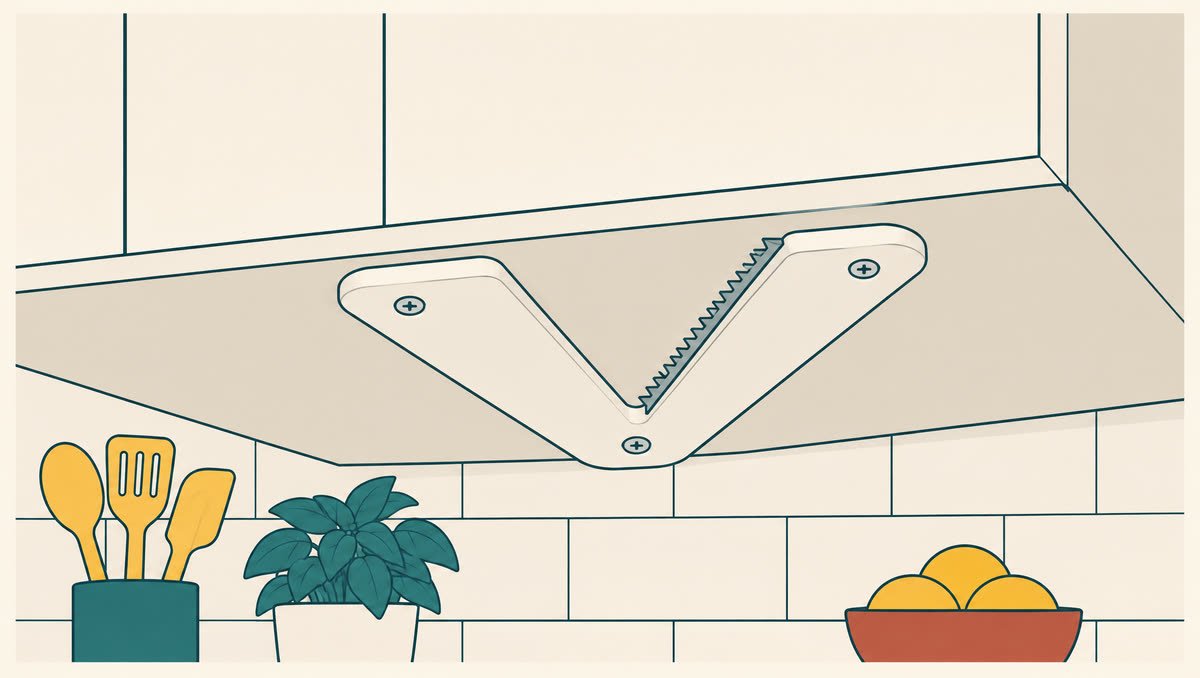
There’s a jar of beetroot at the back of the cupboard. It’s been there a while. She can’t get the lid off, and she isn’t going to ring you about a jar of beetroot, so she has something else.
An under-cabinet jar opener is a flat wedge with a metal tooth inside. It screws to the underside of a wall cupboard, where nobody can see it. She pushes the lid into the wedge and turns the jar with both hands, instead of fighting the lid with one.
It costs very little, but it does need fitting. Take a screwdriver with you on Boxing Day. Fitting it is the present, really.
What to look for
- One that fixes under a wall cupboard with screws, not just sticky pads
- Screws: the plastic one comes without them, so take three short wood screws
11. A grabber with a magnet on the end
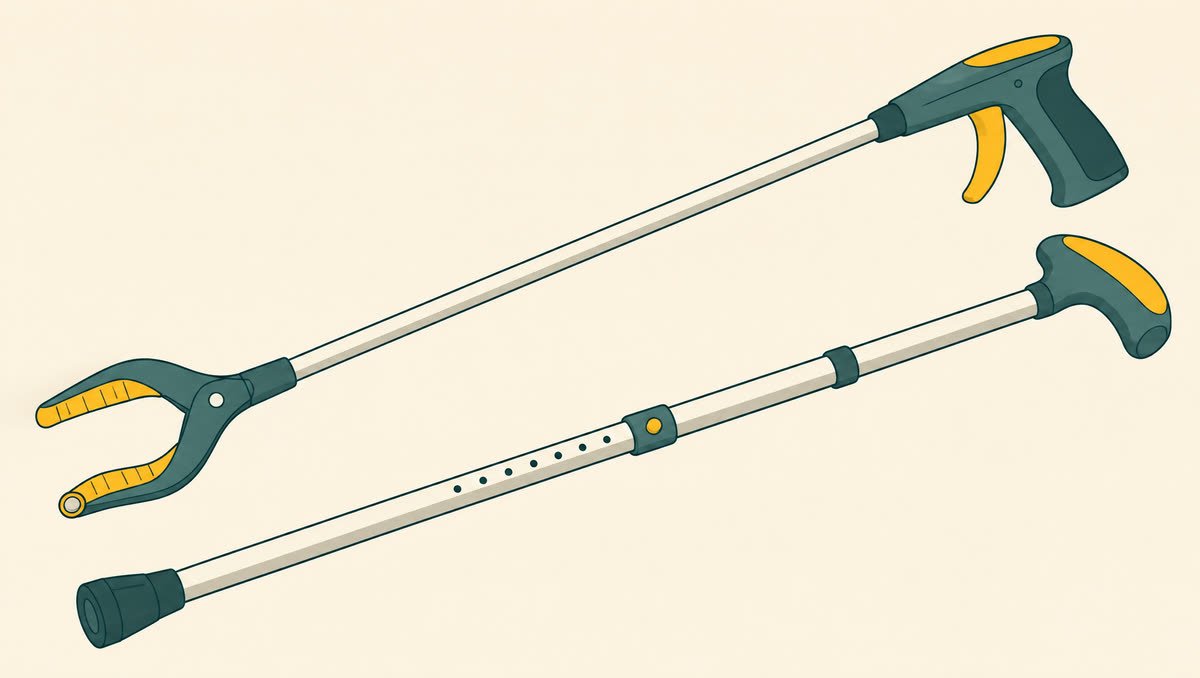
Things get dropped. A tablet. The little screw out of her glasses, which rolls under the settee. Then she either gets down on her knees to find it, or she leaves it. And for the top shelf, she stands on a chair.
A reaching stick is about the length of a walking stick, with a trigger at one end and a jaw at the other. Get one with a magnet on the tip, because the magnet picks up the pins, the keys and the glasses screw that the jaw can’t.
Buy two. One lives upstairs and one lives by her chair. If there’s only one, it’s always in the other room.
What to look for
- A magnet at the tip
- About 32 inches (81 cm) long for reaching the floor from a chair
10. Tap turners
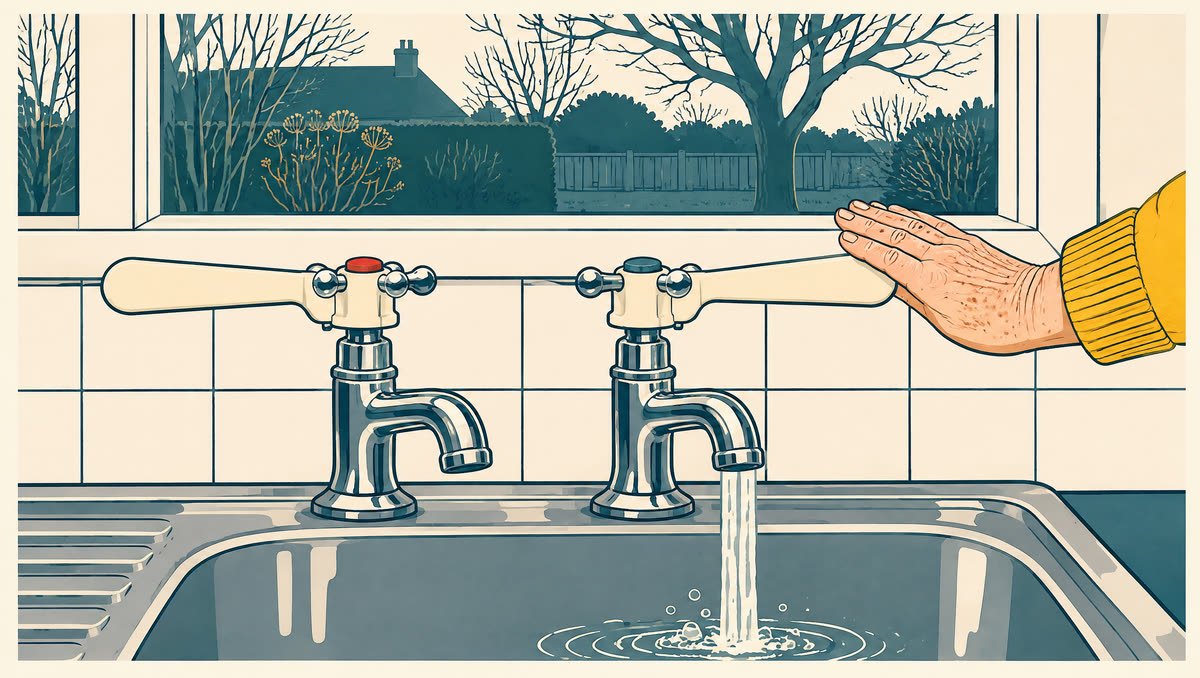
Next time you’re at hers, look at the taps. If they’re the old cross-shaped ones or the round crystal ones, watch her turn one off. Lots of people can’t turn them fully off any more, so the tap drips. Or they can’t get them started, so they don’t have the bath.
Tap turners are long plastic handles that clip over the tap she’s already got. No plumber. They turn a small stiff knob into a lever she can push with the side of her hand.
They come in different shapes for different taps, and this is the bit people get wrong. Take a photo of her kitchen tap and her bathroom tap before you order, and check the fit in the listing. The reviews for every tap turner we looked at are mixed, and almost always because it didn’t fit that buyer’s tap.
What to look for
- The right shape for her taps: cross-head, crystal or both
- A photo of her taps on your phone before you order
9. A doorbell she can hear
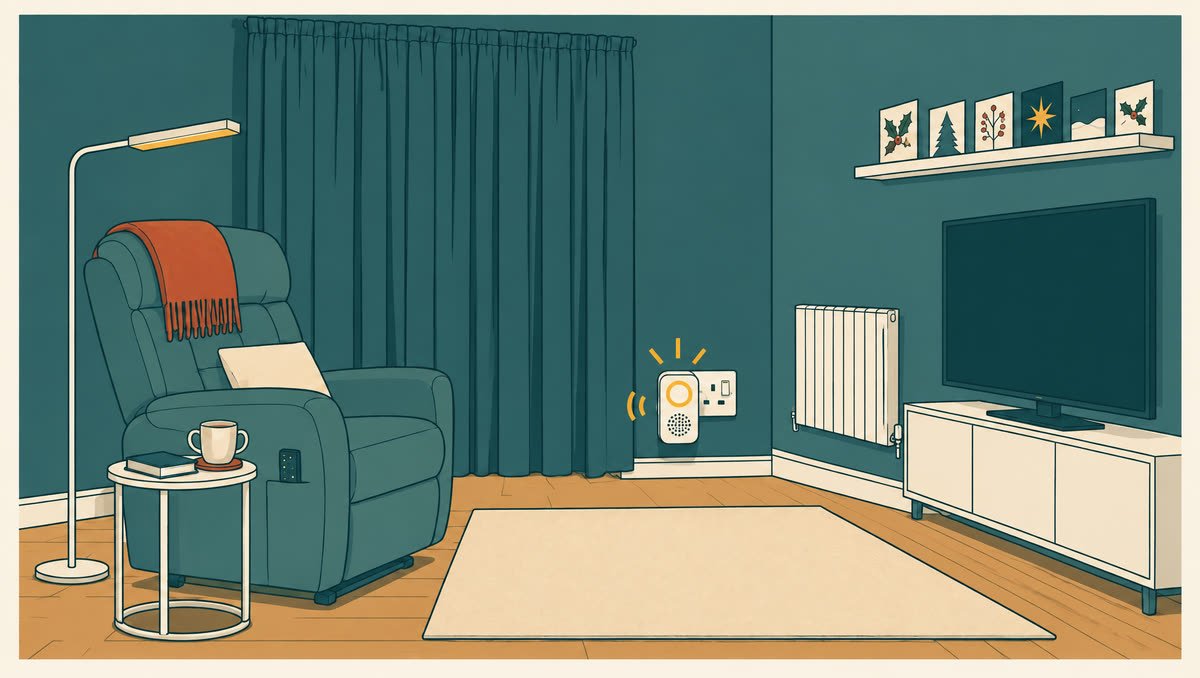
The telly’s on loud. Someone knocks. The parcel goes back to the depot, or the nurse writes "no answer" on a card and leaves.
A plug-in wireless doorbell comes in two parts: a button by the front door, and a chime that plugs into a socket in the room where she actually sits. Get one with a flashing light as well as the sound, and a volume control. If it comes with a second chime, put that one in the kitchen.
The button is the bit to check. Some run on a small battery that lasts a year or so. Some make their own power when you press them and never need a battery at all. Those cost a little more and they’re worth it.
What to look for
- A flashing light as well as the chime
- A volume control
- A button that needs no battery
8. A heated throw
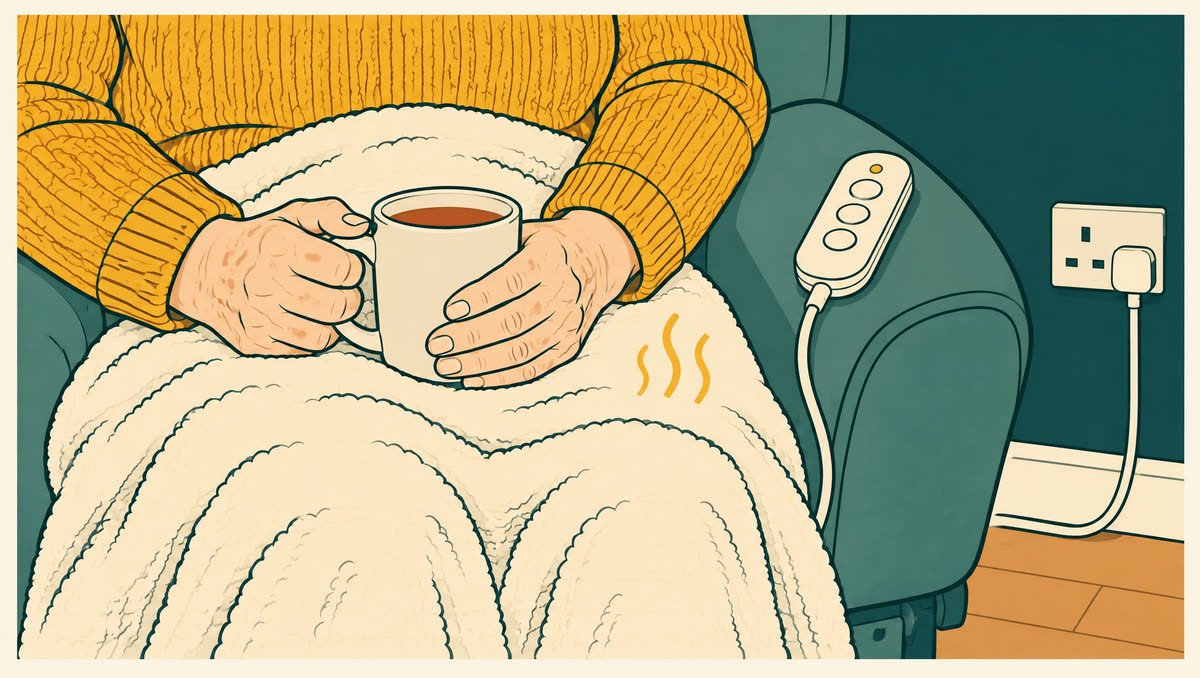
She’s sitting in her coat. Indoors. The heating’s off because she’s seen the news about bills, and no amount of telling her is going to get it switched on.
So don’t argue about the heating. A heated throw is a blanket with a plug. It warms her, not the room, which is why it’s so cheap to run. A typical throw uses 100 to 150 watts, which is about three or four pence an hour at the current price cap. A fan heater costs more than fifty.
Buy it new, never second-hand. And while you’re there, check the bed. If she has an electric blanket and nobody can remember buying it, it’s probably more than ten years old, and fire services say that’s the age to replace them.
One more thing. If she doesn’t feel heat well in her legs or feet, ask her GP or the nurse before she uses one.
What to look for
- A timer that switches it off by itself
- Overheat protection
- A controller with big buttons
7. A big-button remote
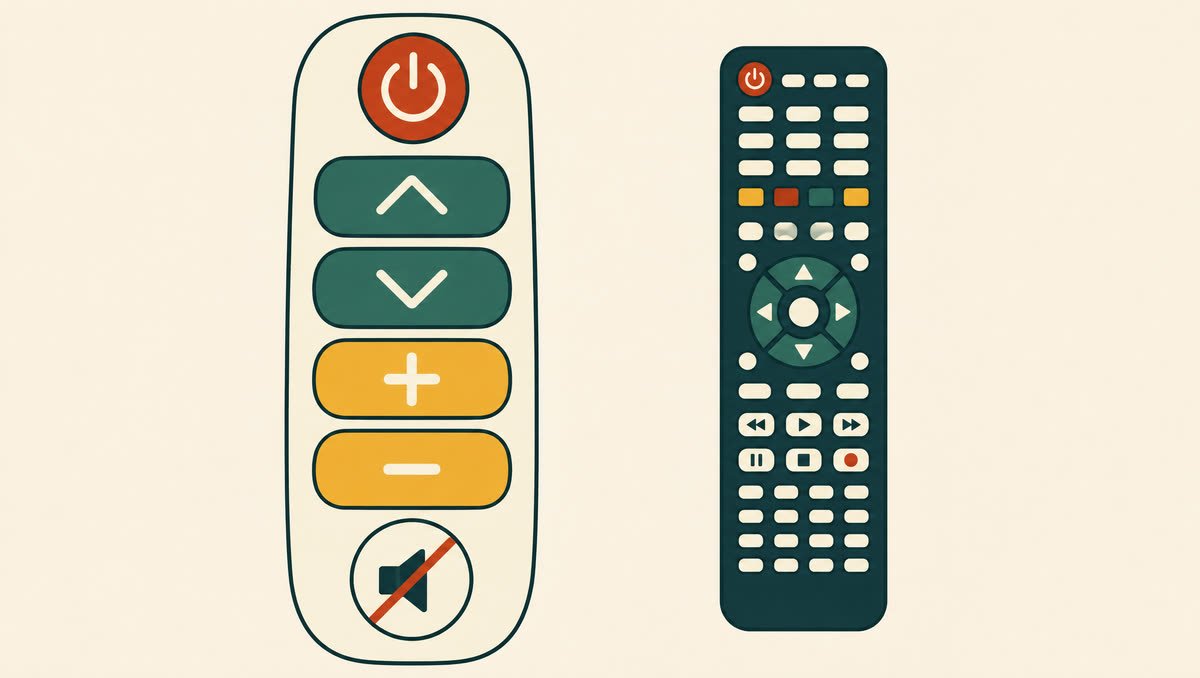
You know this phone call. The telly’s broken. It isn’t broken. She’s pressed one of the forty-odd buttons on the remote, and now it’s on the wrong input, showing a blue screen, and you’re ninety miles away trying to describe a button you can’t see.
A big-button remote has about six. On and off. Channel up, channel down. Volume. That’s all it can do, so that’s all that can go wrong.
Make sure it’s the kind that learns. You point her old remote at it, press the matching buttons, and it copies them. It takes ten minutes, and you do it, not her. Then put the old remote in a drawer. Don’t throw it away. Just out of reach.
What to look for
- A learning remote that copies her old one
- Ordinary AAA batteries
- It won’t work with radio-frequency boxes such as Virgin TV
6. A corded phone with photo buttons
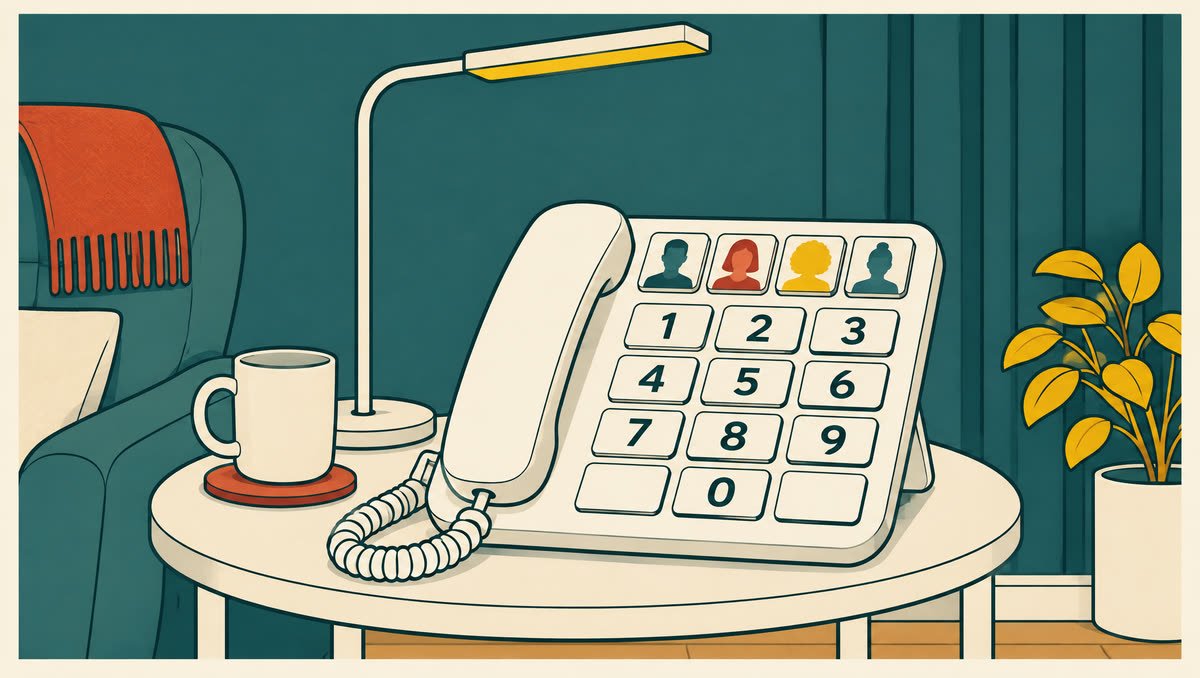
The cordless phone is the problem. The handset gets left on the arm of the chair, off its base, and by Thursday it’s dead. She thinks nobody’s rung. You think she’s not answering.
A corded phone can’t go flat. Get one with big buttons and photo buttons, where you slide in a little picture of yourself, your sister or the surgery. She presses your face and it rings you. No numbers to remember.
Something to know: by the end of January 2027 the old phone network is being switched off across the UK, and landlines are moving onto broadband. The phone plugs into the router instead of the wall socket. A corded phone still works, but not in a power cut unless there’s a backup battery.
Ask first: it might be free. If she depends on that landline, her phone company should give her a backup battery free. Ring them and ask. Most people don’t know to.
What to look for
- Photo buttons for the people she rings most
- No batteries in the handset to go flat
- Big, well-spaced number keys
5. A one-cup dispenser, or a kettle tipper
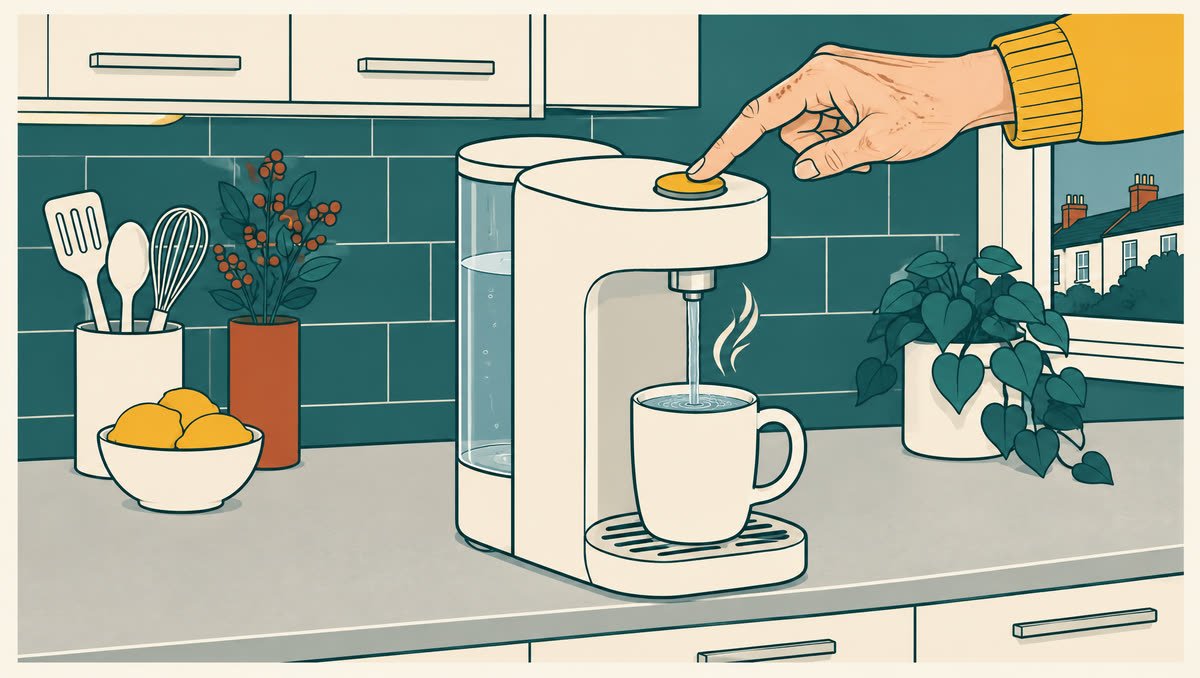
Pick up a full kettle. It’s heavier than a big bottle of milk, it’s full of boiling water, and she’s carrying it across the kitchen and tipping it with a wrist that isn’t what it was. She does that six or seven times a day.
A one-cup hot water dispenser sits on the worktop. Mug underneath, press the button, and it boils and pours one cupful. Nothing to lift and nothing to pour. She can top the tank up with a jug, a bit at a time.
To be straight about this one: it’s a new machine, and if her memory’s starting to go, a new machine in the kitchen can cause more trouble than it solves. If that’s her, get a kettle tipper instead. It’s a cradle her own kettle sits in, so she tilts it rather than lifts it. Same kettle, same routine.
What to look for
- Dispenser: one fixed cupful per press, and a tank she can fill with a jug
- Tipper: check it fits the shape of her kettle
4. A day clock
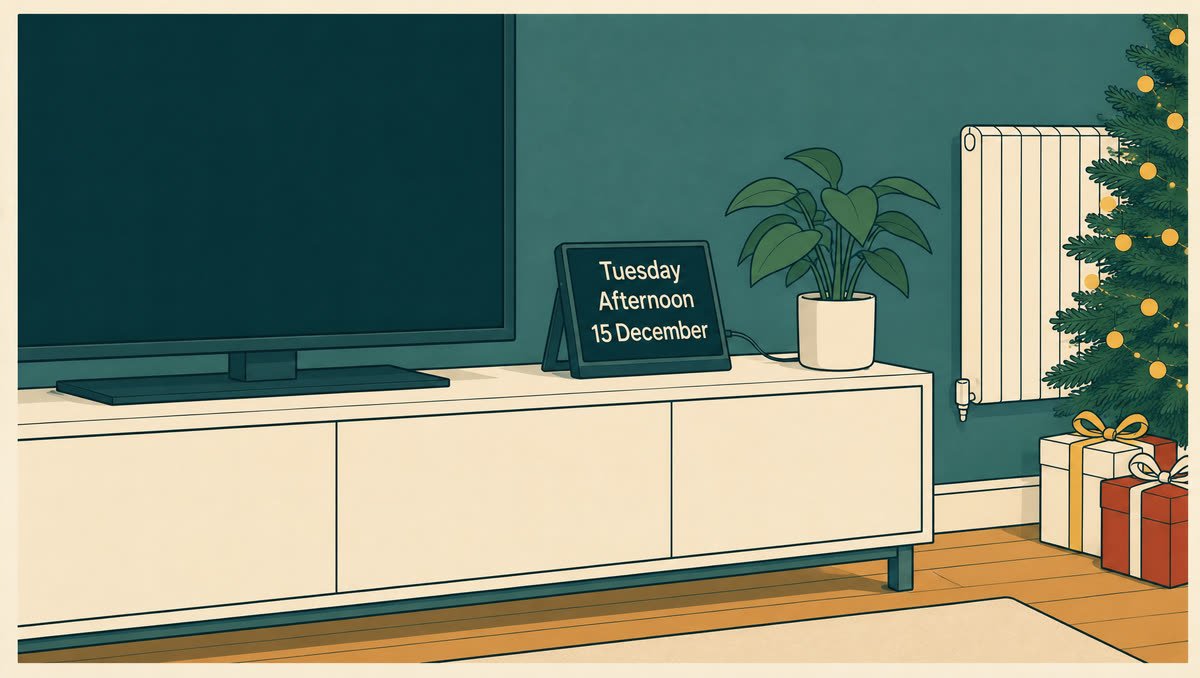
It gets dark at four in the afternoon in December. She dozes off in the chair, wakes up, it’s dark, and the clock says half past six. Morning or evening? She gets it wrong, and rings you at half past six in the morning to ask why you haven’t phoned.
A day clock spells it out in big letters: Tuesday. Afternoon. 15 December. It plugs in, you set it once, and there’s nothing to wind and no Wi-Fi. Put it opposite her chair, not out in the hall.
A warning. Sellers call these dementia clocks, and on many of them it’s printed on the box in letters you could read from the road. She doesn’t need to have dementia to lose track of the day. Plenty of us manage it in the week after Christmas. So take it out of the box before you wrap it.
What to look for
- Day, part of the day and date in words
- Dims by itself at night
- Plugs into the mains
3. Plug-in night lights
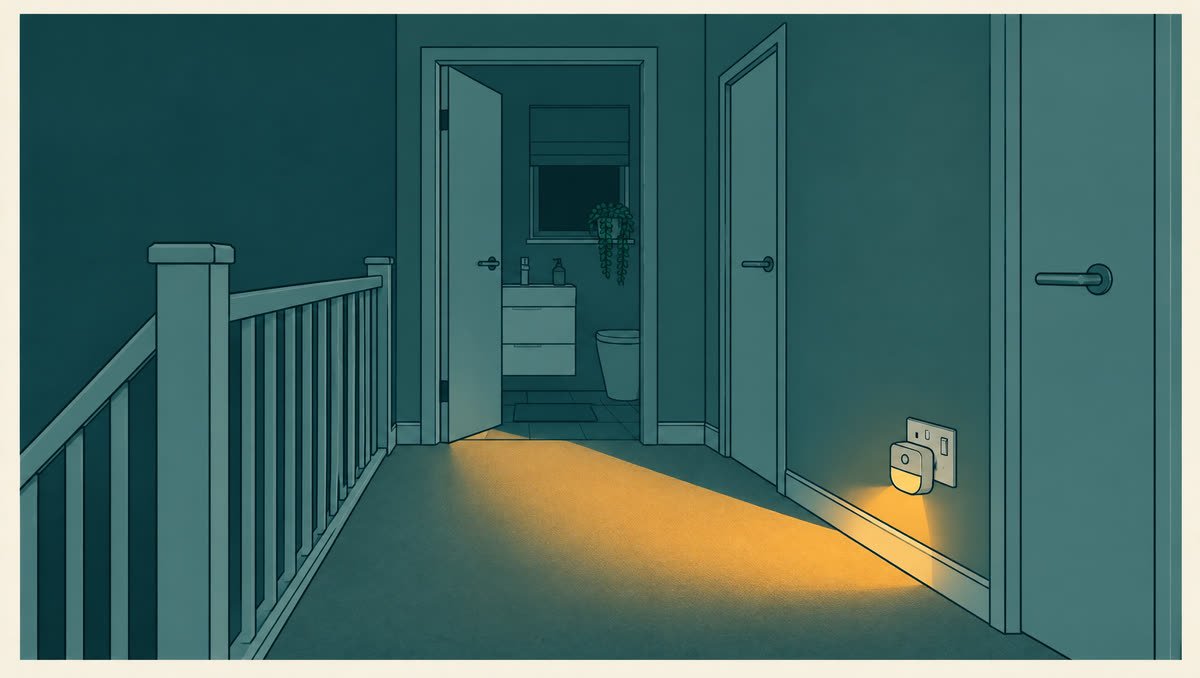
Three in the morning. She needs the loo. She doesn’t put the big light on, because it wakes her up properly and then she won’t get back off. So she does the landing in the dark. About one in three people over 65 has a fall every year. Over 80, it’s about half.
Plug-in motion lights go in the sockets along that route: bedroom, landing, and the socket nearest the bathroom door. They come on when she moves and go off again by themselves. She doesn’t have to do anything.
Get warm white, not the cold blue ones. And look for the kind that also comes on by itself in a power cut and lifts out of the socket as a torch. If there’s no socket on the stairs, there are stick-on lights that take ordinary batteries. You change those when you visit.
What to look for
- Warm white light
- Comes on in a power cut
- Lifts out as a torch
- One for each socket on the way to the loo: they are usually sold singly
2. Sealed smoke and carbon monoxide alarms
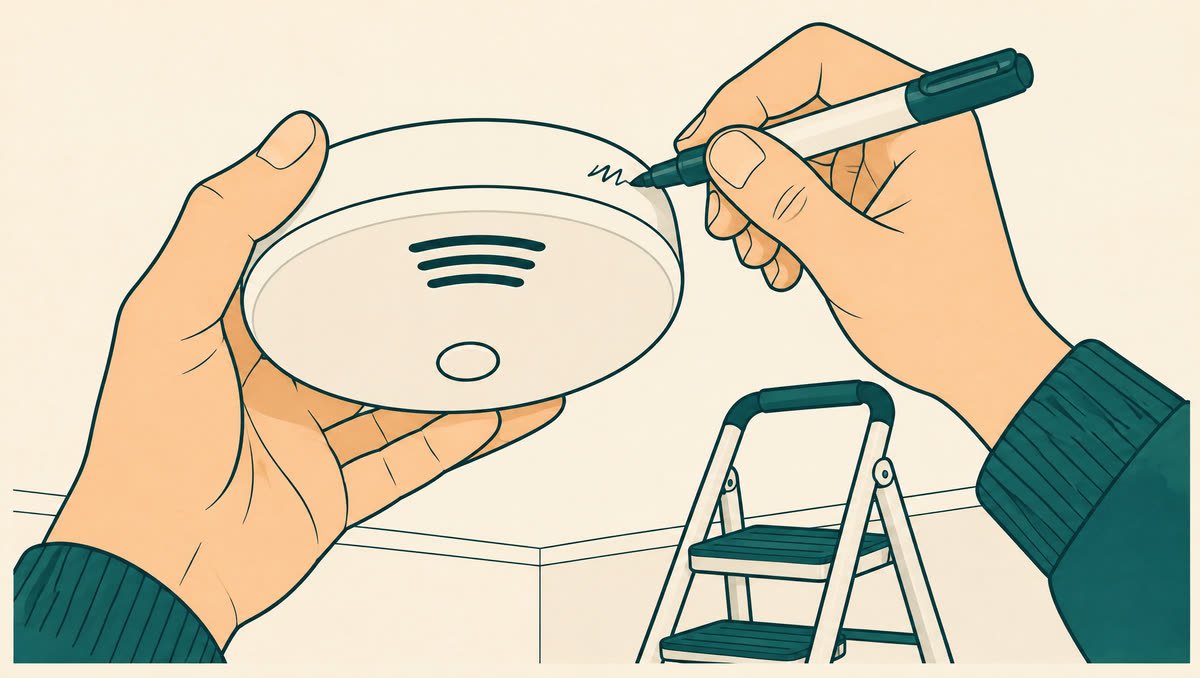
Go and look at her smoke alarm. Is there a battery in it? Because at some point it started chirping at two in the morning, they always start at two in the morning, and somebody took the battery out to shut it up. That might have been in 2019.
The ones to buy now have a ten-year battery sealed inside. It can’t be taken out. Write the date on the side with a marker pen. If she has a gas boiler, a gas fire or a wood burner, get a carbon monoxide alarm with a sealed battery as well.
Nobody has ever unwrapped a smoke alarm and been thrilled. So this one doesn’t get wrapped. You just do it.
Ask first: it might be free. Before you buy either, look up the fire service where she lives. Most do a free home safety visit for older people, and many will fit the alarms for nothing. If she is hard of hearing, ask about alarms with a flashing light and a pad that shakes the pillow.
What to look for
- A ten-year battery sealed inside
- A carbon monoxide alarm too, if anything in the house burns gas or wood
1. A police-approved key safe
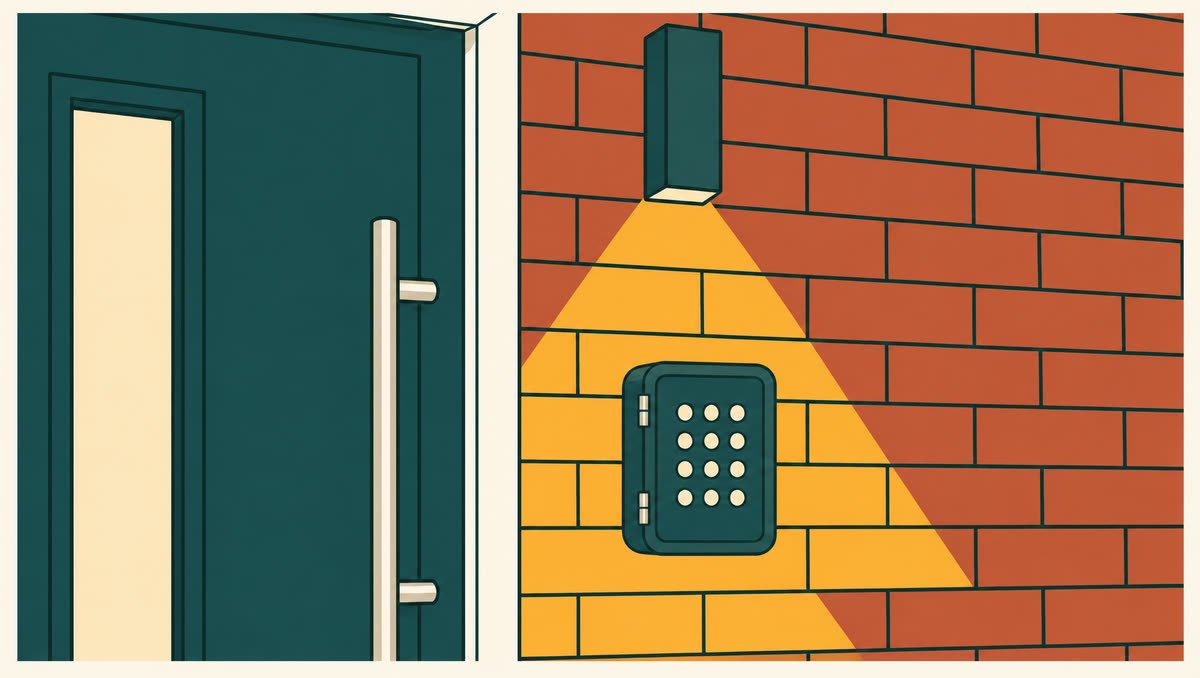
She’s on the floor in the hall. She’s all right, she’s talking, but she can’t get up. Somebody’s called an ambulance, and the front door is locked with her key in the back of it. So they break the door. And then it’s eleven o’clock at night, a week before Christmas, and she has a front door that won’t shut.
A key safe is a small steel box, bolted to the outside wall, with a spare key inside and a code to open it. You know the code. One neighbour knows the code. And whoever rings 999 can give it to the ambulance crew.
This is the one thing on the list not to buy cheap. The cheap ones can be forced open. Look for one that’s police approved: it will say Secured by Design, and it has been tested against attack.
It has to be fixed into brick, with the fixings that come in the box. Not into the mortar, and not into a plastic door frame. Put it somewhere you can’t see from the pavement, and tell her home insurer it’s there.
It’s not much of a present to look at. It’s the one she’ll never thank you for. Until the night she needs it, and then it’s the only one that mattered.
Ask first: it might be free. Before you buy, ring her council. Some of them supply and fit a key safe.
What to look for
- "Secured by Design" police approval
- Fixed into brick, not mortar or a plastic frame
- Out of sight of the pavement
Which three first?
She doesn’t need all twelve. The quiz asks eight questions about her home and how she’s managing, and tells you the three things on this list worth buying first.
This is general information, not medical or safety advice for one person. Running costs are estimates at the Ofgem price cap in force when the page was written.